How Ohio’s New Energy Bill Could Impact Greater Cleveland’s Solar Boom
Liam Cutwater · July 11, 2026
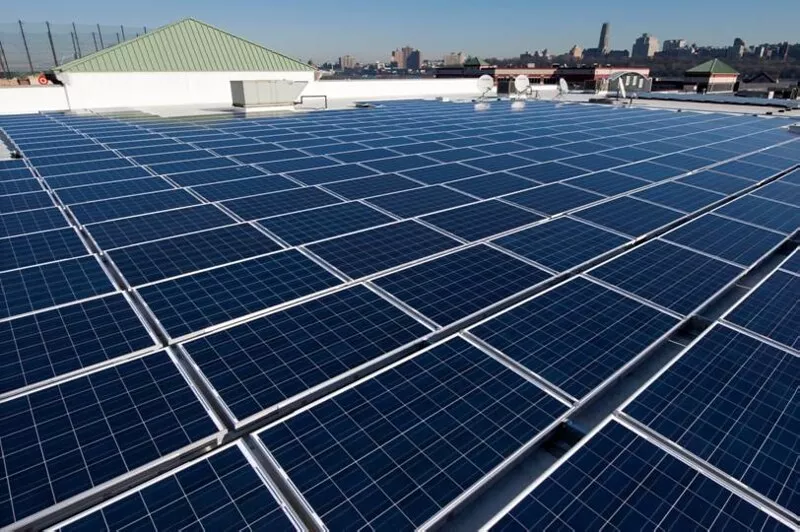
Ohio’s new Senate Bill 294 could chill Cleveland’s solar and wind scene. Here’s how it might affect developers, costs, and local clean energy growth.
Solar dreams meet some stormy weather in Ohio, thanks to a new bill rocking energy developers from Sandusky to Solon. Senate Bill 294—the shiny new legislation from Columbus—could make it tougher than ever for Northeast Ohio to tap into affordable, reliable solar and wind power. But what does that really mean for folks living, working, or sipping beers under strings of Edison bulbs in Greater Cleveland?
What’s in Senate Bill 294, Anyway?
If you haven’t heard the chatter, Senate Bill 294 is poised to shake up how new solar and wind projects get built across the Buckeye State. The political buzzword: "reliability." SB 294 demands that any large-scale energy project must prove it can deliver relentless, unwavering power at a minimum 50% capacity factor. That threshold is… let’s say, ambitious.
- Solar farms in Ohio average about 24% capacity (per US Energy Information Administration data).
- Wind projects rarely crack 40% locally.
- Unlike gas or nuclear (which are always “on”), sun and wind do their thing in shifts.
Why It’s a Big Deal for Cleveland’s Clean Energy Push
Greater Cleveland isn’t just about pierogies and Browns football—we’re also one of the Midwest’s rising stars in clean energy, with:
- Local developers (think: YellowLite, Evergreen Energy, and Cleveland Solar Now)
- City sustainability pledges
- Cuyahoga County’s own solar co-op initiatives
This bill could force projects to dramatically increase costs—or even stall new builds outright—potentially taking the wind (pun intended) out of these efforts.
Potential Chilling Effects: Higher Costs & Fewer Projects
Here’s the rub: to hit this "50% reliability" mark, solar and wind farms would need to add hefty battery backup to their operations. Good for uptime. Bad for project budgets.
- More batteries = much higher construction and maintenance costs
- Smaller developers may shy away from new projects
- Projects under 50 megawatts (solar) or 5 megawatts (wind) dodge the new rules—so expect to see more small-scale stuff, and fewer big, job-creating farms
If you’re a local business hoping for a huge solar array to cut your electric costs, your window might be closing.
Will Small-Scale Solar Survive in the Greater Cleveland Area?
There’s a little glimmer of optimism: residential, rooftop solar is mostly safe. The threshold mainly targets big utility-scale projects.
- Homeowners and small businesses can still install their own solar setups
- Regional installers expect more demand for home systems as “big solar” faces roadblocks
- Expect to see more panels popping up in Lakewood, Shaker Heights, Cleveland Heights, and other suburbs
What Local Experts and Leaders Are Saying
Local officials and clean energy advocates are raising red flags. Cuyahoga County’s sustainability gurus and reps from groups like Solar United Neighbors argue the legislation ignores how the modern electric grid works.
- "Capacity factors aren’t a measure of reliability for renewables," says Andrew Linhares, regional solar advocate
- Regional grid operators like PJM (they keep our lights on in 13 states) say all types of power, working together, keep things running
- Local leaders warn that stacking the deck against wind and solar only delays the city and county’s carbon-cutting goals
How to Support Cleveland’s Clean Energy Future
Worried that NEO’s shot at renewable leadership could stall? Here’s what you can do:
- Support local solar and wind installers—especially for your home or business
- Keep an eye on local government: City Hall and Cuyahoga County Council both support renewables
- Attend public meetings or write your state reps if you have an opinion
Big green energy projects in CLE might be hitting the legislative slow lane, but our city’s demand for affordable, sustainable power isn’t going anywhere. Stay tuned: our resilience—and our skyline—might depend on it.