Cleveland-Area Farmers Are Feeling the Pinch—and So Is Your Plate
Liam Cutwater · October 14, 2026
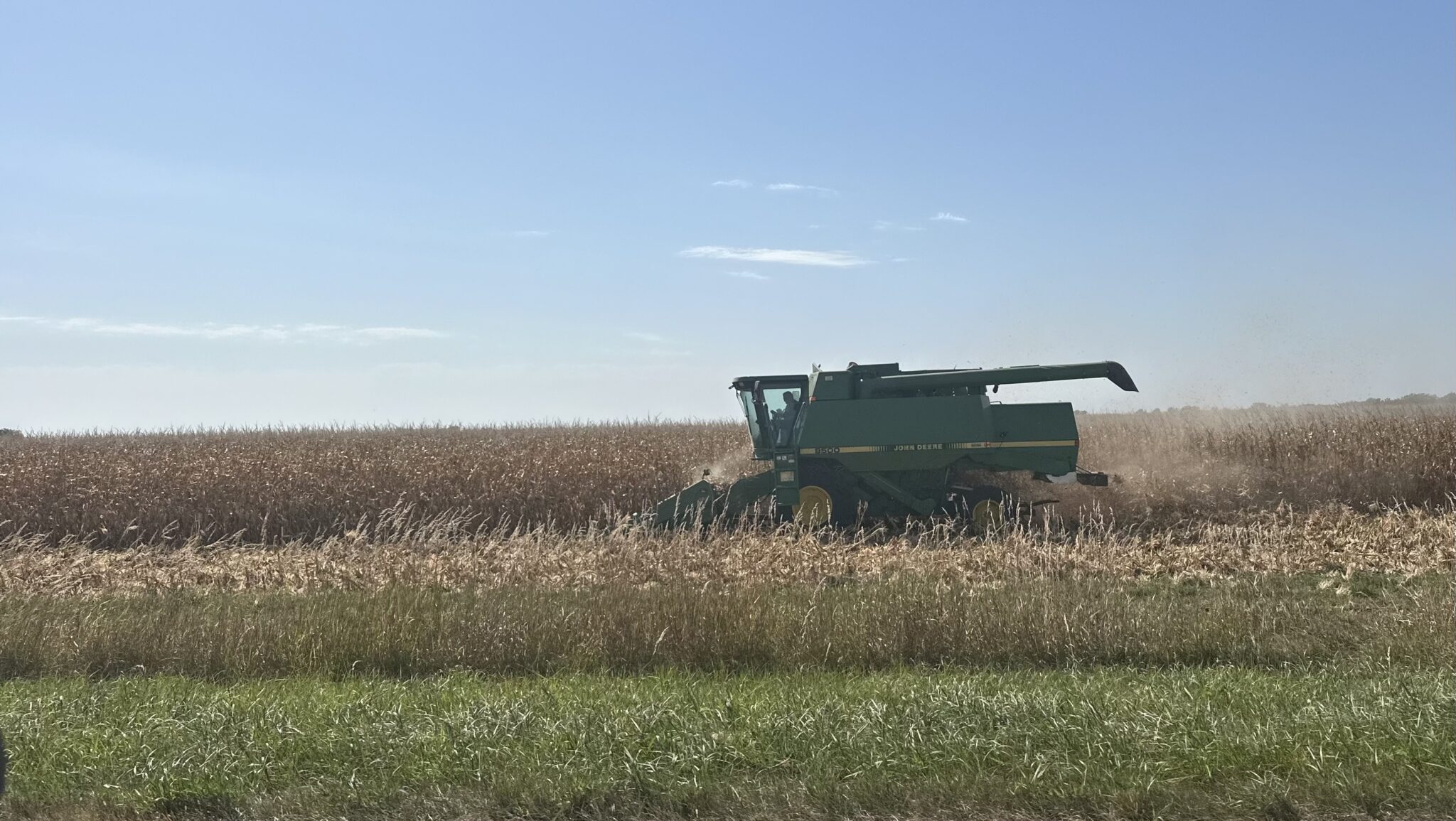
Rising costs and falling prices for local farmers are quietly reshaping what we eat—and what it costs—across Greater Cleveland.
Think your grocery bill is bad? Cleveland-area farmers are living it first. Every price spike and market wobble hits our food scene long before it shows up in the produce aisle or on your favorite local menu. Here’s how pressure on Northeast Ohio’s growers and ranchers is silently souring dining culture across the region.
The Squeeze on Local Farms
Cuyahoga and its neighbor counties might look like suburbia, but our food system still leans on nearby family-run operations. Right now, those farmers are being squeezed by a wild cocktail of rising fuel, fertilizer, and feed costs. Run a grain farm or raise cattle in Geauga or Lorain? You’ve watched input prices jump faster than you can switch from seed to soybeans.
- Diesel and gas are hovering near historic highs
- Fertilizer costs have shot to nearly $850/ton at points
- Live cattle prices have dropped, so local ranchers see less per head
Why This Matters for Cleveland Diners
Sure, what happens in the field may sound like farm talk. But let’s keep it real: every supply chain shock hits your neighborhood diner and West Side Market staple. Shrinking margins for local producers mean:
- More reliance on cheap, shipped-in goods (bye, Ohio beef)
- Fewer local ingredients spotlighted on restaurant menus
- Potential for smaller, less diverse farmers markets
Even if you only buy your beef at Heinen’s, those cutbacks ripple all the way to your table.
The Trouble With Input Costs
Anyone with a home garden has felt it, but for our regional farmers it’s existential. From Ashland County to Medina, suppliers are warning about wild swings in urea (fertilizer) prices and the cost of running heavy machinery. Every spike means tough calls:
- Cut back on fertilizer and risk yield?
- Plant less and lose income?
- Drop cattle and focus on less costly crops?
None of these choices are good for keeping top-quality local product on Cleveland’s restaurant menus.
The Disconnect With Policy—and Your Wallet
While politicians tout a surging economy, folks running actual food production in Lake or Portage counties feel left out of the party. Policy choices far from the farm are making these pains worse, prioritizing everything but Ohio family businesses. For diners, that translates to fewer homegrown options and higher bills—even if the guys selling the grain yard’s not making a dime more.
What This Means for Greater Cleveland Menus
From Tremont’s cozy dining rooms to the hip brewpubs in Ohio City, local farms are the backbone of what’s fresh, seasonal, and uniquely Northeast Ohio. If rising costs keep squeezing those growers, you’ll notice:
- Tighter specials boards at farm-to-table spots
- More out-of-state product replacing local harvests
- Strained partnerships between chefs and producers
Our region’s food scene thrives on homegrown tomatoes, regional beef, and just-picked lettuces. Lose the farm support, and it all starts to taste a little less Cleveland.
How to Support Local Producers
Worried about the future of your favorite neighborhood menu? Help area farmers weather tough times by:
- Shopping at local farmers markets (West Side, Shaker Square, Haymaker)
- Asking where your favorite restaurants source their produce and protein
- Trying a CSA (community-supported agriculture) box this season
- Sharing farmer and farm-to-table posts on social
Staying connected to Northeast Ohio growers is the best way to keep our dining scene fresh, creative, and uniquely Cleveland.
Hungry to keep that local flavor alive? Next time you order, ask about the farm behind your meal. Big changes start with small choices—made right here in the 216.