What the Browns' Brook Park Dome Means for Cleveland's Food & Drink Scene
Liam Cutwater · October 25, 2026
The Browns' Brook Park dome could shift Cleveland’s dining hot spots. Here’s what our food and drink future might look like, for better—or weirder.
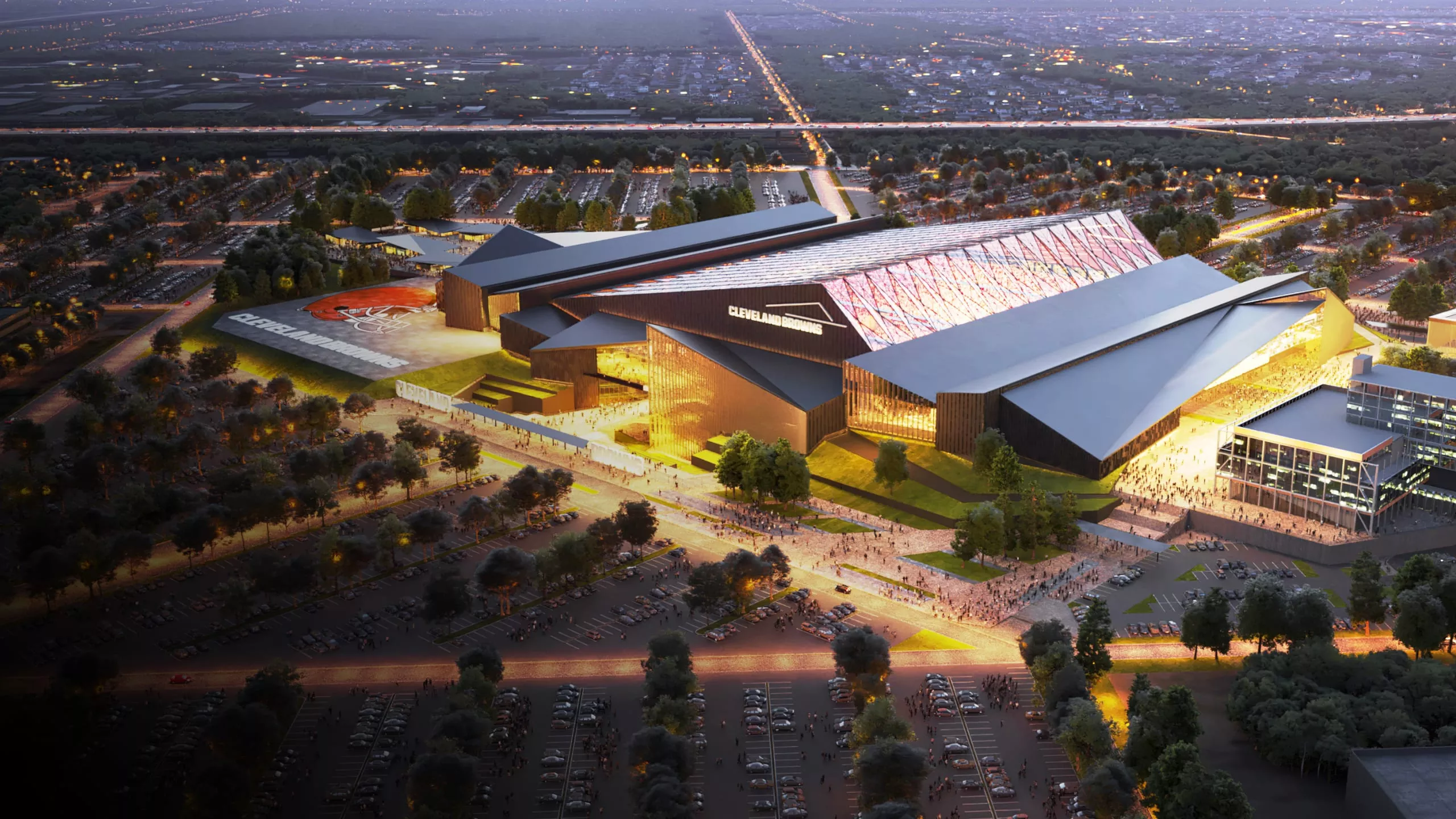
The Browns are ditching the lakefront for a flashy, billion-dollar dome in Brook Park—and it might change more than just game day traffic. With stadium villages popping up nationwide, Clevelanders are left wondering: what does this football shakeup mean for our beloved bars, restaurants, and breweries—both downtown and beyond?
A Stadium Village: Boon or Bust for Local Eats?
The vision for Brook Park’s new dome looks a lot like Atlanta’s Truist Park: a sports wonderland surrounded by shops, restaurants, and entertainment. Expect to see:
- New gastropubs for grabbing pints before (or during) the game
- Trendy food halls drawing crowds on non-game days
- Craft breweries cashing in on the hype
But don’t get too amped just yet. As sports economist J.C. Bradbury points out, these new spots mostly funnel profits to the Browns’ owners. Local flavor? Maybe. But a windfall for the broader Cleveland hospitality scene? Not so much.
Will Downtown Cleveland Restaurants Suffer?
Browns games bring thousands downtown—briefly. But, compared to the Guardians’ 80+ home games, football’s eight afternoons a year don’t anchor as many businesses as you might think. In fact, according to Bradbury, big stadiums can actually scare off non-sports dining and nightlife by clogging streets and limiting parking.
What’s wild? Once Atlanta’s old Turner Field was abandoned, that area became a culinary hotspot, packed with shops, restaurants, and apartments. Could the same happen along our waterfront? Hard to imagine Cleveland without fall Sundays at the Muni Lot, but maybe it’s not all doom and gloom for established spots like Masthead Brewing and Alley Cat Oyster Bar.
Opportunity Knocks for Brook Park—and Maybe Beyond
Brook Park, perched on the RTA Red Line, could become the next destination for foodies and fans alike. We’re talking:
- Modern sports bars angling for that Sunday NFL crowd
- Fast-casual joints serving hungry fans before concerts or monster truck rallies
- Mixed-use developments attracting new chef-driven concepts
Still, these developments tend to be tightly curated—less room for scrappy, homegrown heroics and more for chain-y concepts or outposts run by the folks backing the stadium itself.
Where Will the Lakefront Go Next?
So, what happens when the lakefront stadium falls? Bradbury sees a new chapter ahead. Think:
- The return of actual city neighborhoods, with walkable bars, restaurants, and corner coffee shops
- Apartments and groceries where empty lots now sprawl
- (Whisper it) More room for local operators—not just stadium dollars
Clevelanders love reinvention almost as much as we love pierogi. Some of our best dining districts live in former factories—why not create another, lakeside?
Big Money, Small Plates: Who Wins?
Let’s keep it real—the big stadium investment is about the Haslams, not the hungry or thirsty masses. The restaurants and bars that pop up in these “destination villages” usually pay top dollar to be there, with profits reaching deep pockets before local entrepreneurs.
Yet, Cleveland’s scene never sits still for long. Maybe we’ll see timeless classics—ballpark brats, legit BBQ, beer by the liter—get a reimagining out west, while downtown finds new ways to thrive sans stadium crowds.
The Real Cleveland X-Factor: Us
Regardless of flashy new developments or doomsday downtown narratives, Clevelanders decide which restaurants and bars become legendary. Whether you’re tailgating in Brook Park or sipping cocktails in the shadow of Progressive Field, the city’s food and drink future is what we make it. Hungry for change? Start with your next night out.